Samhain – The Celtic Roots of Halloween ~ Sunnys Journal

251031
➡️ Credit: sunnysjournal.com ➡️ Posted on 251031
1 of 3
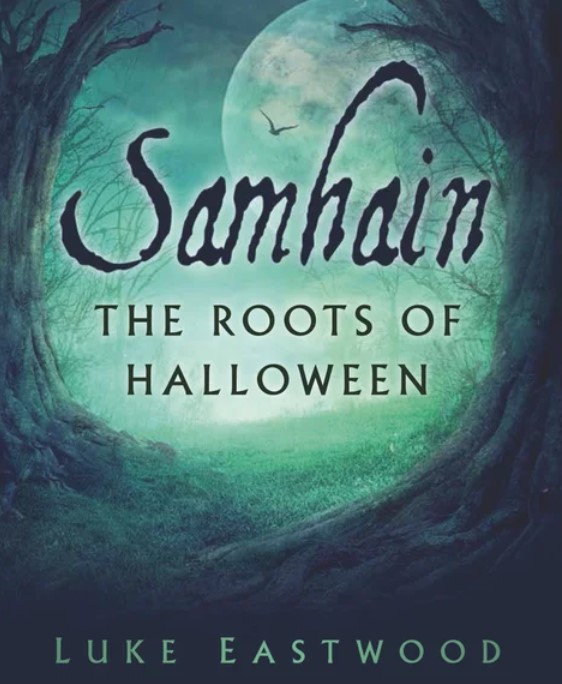
Samhain was the entry point into winter, a time of hardship, cold and hunger.. It was also a time of introspection, of communing with the dead and the otherworld – themes that have somehow survived albeit distorted, into the modern era.’ The modern celebration of Halloween is derived from the ancient festival of the dead known in Ireland as Samhain.
2 of 3
It is from Ireland that most of the Halloween traditions we have are inherited, through the diaspora. Delving into the ancient past, this book uncovers the history of this festival in Britain and Ireland, including the forgotten goddess Tlachtga and the sacred temple of the Druids in county Meath, named after her, where the first Halloween fires were first lit.
3 of 3
Celtic spirituality Halloween traces its roots to the ancient Celtic festival of Samhain, celebrated over 2,000 years ago in what is now Ireland, the UK, and northern France. Marked on November 1, it signified the end of the harvest season and the beginning of winter, a time associated with death. The Celts believed that on the night before (October 31), the boundary between the living and the dead blurred, allowing spirits to roam the earth. To ward off ghosts, they lit bonfires and wore costumes, often made of animal skins. When the Romans conquered Celtic territories by 43 AD, they merged their festivals with Samhain. The festival of Feralia, honoring the dead, and a celebration for Pomona, the goddess of fruit and trees (linked to the tradition of bobbing for apples), were incorporated. By the 8th century, Pope Gregory III designated November 1 as All Saints’ Day, a Christian feast to honor saints. The evening before became known as All Hallows’ Eve, later contracted to Halloween. All Souls’ Day (November 2) further reinforced the connection to the dead. For those who still celebrate this ancient festival, Happy All Hallows’ Eve.